Designing Fear: How to Use the Spooky Blood Font
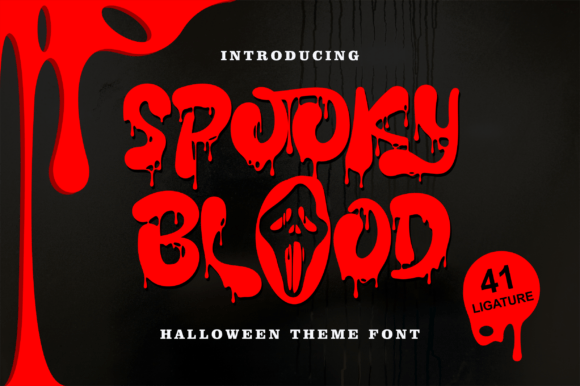
If you have ever tried to design a poster for a haunted house or a thumbnail for a scary movie review, you know that standard text just doesn't cut it. You need something that feels visceral, something that looks like it is actually alive or at least recently deceased. Finding a typeface that captures the essence of Halloween without looking like a cheesy cartoon is a challenge many designers face. This is where the Spooky Blood Font enters the conversation, offering a dripping, fun, and thick display style that immediately sets a chilling mood. It is not just another novelty typeface; it is a tool designed to bring a specific, high-impact atmosphere to your creative projects.
Understanding the Visual Impact
The primary strength of this typeface lies in its unapologetic style. It is classified as a display font, meaning it is intended for large headlines and focal points rather than long paragraphs of body text. The "dripping" effect is executed with a level of detail that mimics the viscosity of actual liquid, giving the letters a tangible texture. This thick, heavy construction ensures that the text commands attention immediately. Unlike delicate serif fonts or clean sans serif fonts, this design relies on weight and shape to convey its message. It creates an immediate association with classic horror tropes, making it an instant mood setter for the spooky season.
However, the appeal isn't limited to realism. The font balances its scary vibe with a certain "fun" quality. This distinction is crucial for designers. If a font is too realistic or gory, it might cross the line into being unpleasant or unwatchable for general audiences. The Spooky Blood Font manages to look spooky without being repulsive, making it versatile for family-friendly Halloween events as well as darker, more atmospheric horror designs. It captures that perfect balance between a nightmare and a carnival attraction.
Practical Applications for Creative Professionals
When you are building a brand or a specific campaign, consistency is key. If you are launching a seasonal product line, organizing a community event, or refreshing your social media presence for October, typography is the glue that holds your visual identity together. Here is how you can practically apply this specific typeface across different mediums:
Branding and Packaging
For small business owners in the food or cosmetics industry, seasonal packaging is a massive revenue driver. Imagine a "Witch's Brew" coffee blend or a "Vampire's Kiss" hot sauce. Using this font on the label instantly communicates the flavor profile and the seasonal nature of the product. It serves as a visual shorthand for the consumer. Similarly, if you are designing logos for a haunted attraction or a seasonal pop-up shop, the thick, legible nature of the letterforms ensures the brand name is readable from a distance, even when printed on signage or merchandise.
Digital Marketing and Social Media
In the fast-scrolling environment of Instagram, TikTok, or Pinterest, you have milliseconds to stop a user. A striking headline using a creative font like this can break the scroll. It works exceptionally well for social media graphics promoting sales, events, or blog posts related to the horror genre. Because the font is so distinctive, you can pair it with a very simple sans serif font for the body text to create a clean, professional hierarchy. This contrast ensures that your message is both exciting and readable. It is also perfect for YouTube thumbnails where bold, scary text is often required to drive clicks.
Physical Invitations and Print Materials
There is still a huge market for physical invitations, particularly for Halloween parties, theater productions, or escape rooms. A premium font like this elevates a standard invitation to a keepsake. When printed on textured cardstock, the "dripping" details of the typeface can add a tactile dimension to the design. Furthermore, for poster design—whether for a local haunted hayride or a horror movie marathon—the font acts as a central graphic element. You often don't need complex illustrations when the typography itself does the heavy lifting.
Technical Advantages: Beyond the Aesthetics
While the visual style is the main draw, the usability of a font determines its value in a professional workflow. One of the standout features of the Spooky Blood Font is its PUA (Private Use Areas) encoding. For those who are not deep into the technical side of modern typography, this is a game-changer.
Usually, fancy swashes, ligatures, and alternate glyphs are locked away behind complex software menus or require specific design skills to access. PUA encoding means that every single stylistic alternate and decorative swash included with the font can be accessed easily, even in basic text editors or design software that doesn't support OpenType features natively. This democratizes design. A small business owner using Canva, for example, can access the same fancy flourishes as a professional designer using Adobe Illustrator. This accessibility ensures that you get the full value out of the design assets you purchase.
Strategic Design Advice
As a designer or content creator, simply installing a font isn't enough; you need to use it strategically to improve your brand recognition and visual consistency. Here are some practical tips for integrating a heavy display font into your workflow:
- Mastering Font Pairing: Because this typeface is thick and dripping, it has a very high "visual density." It works best when paired with something lighter and cleaner. Avoid pairing it with other script fonts or handwritten fonts, as this will create visual chaos. A modern, geometric sans serif font is usually the perfect companion. The clean lines of the sans serif will ground the design, while the blood font provides the excitement.
- Readability Considerations: Display fonts are meant to be seen, not necessarily read in bulk. Use the Spooky Blood Font for headlines, subheadings, and call-to-action buttons. Do not use it for paragraphs of text or legal disclaimers. If the text size is too small, the dripping details may become muddy or hard to decipher. Keep it big, bold, and impactful.
- Color Psychology: While the name suggests red, don't limit yourself. White text on a black background creates a classic ghostly look. Neon green or slime purple can push the design toward a retro 80s horror vibe. The thick strokes of the font allow for strong color contrast without losing the shape of the letters.
- Commercial Licensing: Before using this font in a commercial project, always review the licensing terms. Whether you are selling t-shirts, digital planners, or client logos, ensuring you have the correct license protects your business and supports the font creators. Most premium fonts offer different tiers for personal versus commercial use.
Conclusion
Typography is one of the most powerful tools in your design arsenal. It communicates tone before the reader even processes the words. The Spooky Blood Font is more than just a seasonal novelty; it is a specialized tool for creators who need to evoke a specific, eerie atmosphere. By understanding how to pair it, where to use it, and how to leverage its technical features like PUA encoding, you can transform standard projects into memorable visual experiences. Whether you are designing a logo, a social media campaign, or a party invitation, this typeface offers the perfect blend of scary and fun to captivate your audience.