Hello Butterfly Duo Font: A Charming Pair for Creative Projects
There’s a particular magic in a font that feels like it was written just for you, with a real pen on textured paper. That’s the immediate impression of the Hello Butterfly Duo Font. It’s not just another script typeface; it’s a duo that captures a light, authentic, and deeply personal aesthetic. For anyone building a brand, designing an invitation, or crafting social media content that needs to stand out, this font offers a solution that feels both professional and wonderfully human. Let's explore how this charming asset can transform your work from standard to special.
Understanding the Hello Butterfly Duo Aesthetic
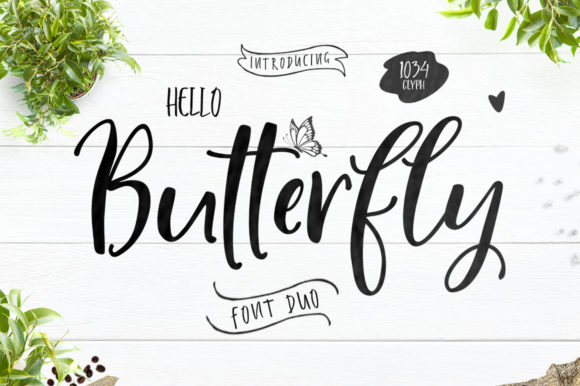
At its core, Hello Butterfly is an incredibly light and charming handwritten font duo. What does "duo" mean for you? It typically includes two complementary styles—often a flowing script paired with a simple, clean companion font. This pairing is its superpower. The script brings personality, warmth, and a dash of elegance, while the complementary font ensures readability and balance. The wide range of amazing swashes included allows for endless customization, letting you add flourish and flair exactly where your design needs it. It’s a premium font that delivers genuine character without sacrificing versatility.
Visually, it avoids the common pitfall of many handwritten fonts that can look messy or childish. The letterforms in Hello Butterfly maintain a consistent baseline and thoughtful spacing, which is crucial for legibility. This makes it a standout choice among creative fonts, striking a balance between artistic expression and functional communication. Whether you're a designer or a small business owner, you'll appreciate a typeface that doesn't make your audience squint.
Where This Font Truly Shines: Practical Applications
The real value of any design asset is in its application. Hello Butterfly Duo Font isn't just for looking pretty on a specimen sheet; it’s built for real-world projects. Think about your brand identity. If your business has a personal, artisanal, or boutique feel—like a florist, a baker, a life coach, or a handmade jewelry shop—this font can become the cornerstone of your logo design. It immediately communicates approachability and care.
Beyond the logo, consider its use across your entire visual ecosystem:
- Packaging Design: Imagine product labels or box sleeves for a candle or soap line. The handwritten touch adds perceived value and a sense of craftsmanship.
- Social Media Graphics: Create Instagram quotes, Pinterest pins, or Facebook ads that feel personal and engaging. The swashes can highlight key phrases, driving audience engagement.
- Website & Blog Design: Use it for compelling headers, pull quotes, or author names to break up the monotony of standard body text. Pair it wisely with a clean sans serif font for paragraphs to maintain excellent readability.
- Print & Editorial Layouts: From wedding invitations and greeting cards to magazine headlines and book chapter titles, it adds a touch of elegance that serif fonts sometimes lack.
- Marketing Assets: Email newsletters, PDF guides, and digital product covers can all benefit from this font's authentic personality, making your materials more memorable.
Making It Work for Your Brand: Practical Advice
Adopting a new font is a strategic decision. Here’s how to integrate Hello Butterfly effectively into your workflow. First, always review the included font styles. Understand what characters and swashes are available. Experiment with them in a design tool like Canva or Adobe Illustrator to see how they behave. A swash that looks beautiful in isolation might clutter a tight space.
Font pairing is critical. A common mistake is pairing a script font with another decorative font, which creates visual chaos. The Hello Butterfly script pairs beautifully with its own companion font, but also with a wide variety of sans serif fonts (like Montserrat or Open Sans) or even a simple, modern serif font (like Playfair Display for contrast). The goal is contrast and hierarchy, not competition. Let the script be the star, and use the other font for supporting information.
Readability should always be your north star. This is where many creative fonts fail. Use Hello Butterfly for headlines, logos, and short, impactful text—not for long paragraphs of body copy. At smaller sizes, the delicate details can get lost. Test your designs at various sizes and on different devices. Can you still read the word "Welcome" on a mobile screen? If not, increase the size or simplify.
Finally, consider the licensing. If you're using this for commercial projects—a client's logo, merchandise for sale, or marketing materials—you must ensure you have the correct commercial license. Reputable font marketplaces make this clear. Using a font without the proper license can lead to legal headaches down the road, a detail that separates professional practice from amateur experimentation.
Beyond the Font: Building a Cohesive Visual Language
Hello Butterfly is more than just a typeface; it's a tool for building a cohesive brand identity. When you use it consistently across your touchpoints—from your website to your packaging to your invoices—you create a recognizable visual language. This consistency builds trust and brand recognition. A customer should be able to spot your Instagram post or product on a shelf and know it's yours before they even read the text, simply by the style of the lettering.
Think of it as a single instrument in your brand's orchestra. It has a specific tone—warm, personal, and charming. Your job is to ensure the rest of your design elements (color palette, photography style, illustration) harmonize with that tone. If your brand voice is friendly and supportive, this font can be its perfect typographic expression. If your brand is more corporate and authoritative, you might reserve it for specific, limited applications where a touch of warmth is needed.
In a digital landscape saturated with generic, system-default typography, a thoughtfully chosen font like Hello Butterfly Duo makes a statement. It shows attention to detail and a commitment to creating an experience, not just a transaction. It’s a design asset that, when used with intention, can elevate your project from simply being seen to being felt. So, open up your design file, explore those swashes, and start crafting something that truly connects.