Why Happy Alphabet Font Brings Instant Warmth to Your Brand
Finding a typeface that feels both professional and genuinely friendly is a rare win in design. You want something that catches the eye, communicates approachability, and still holds its own in a polished brand identity. That’s where a well-crafted decorative font like Happy Alphabet Font steps in—it’s not just about pretty letters; it’s about setting a tone that resonates with your audience from the very first glance.
The Visual Appeal That Sets It Apart
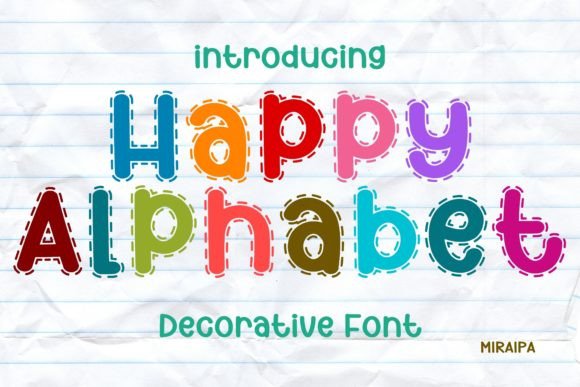
Happy Alphabet Font is a friendly and lovely decorative font. No matter the topic, this font will be an incredible asset to your fonts' library, as it has the potential to elevate any creation. Its visual personality strikes a balance between playful and polished, making it versatile for various creative contexts. The letterforms often feature soft curves, gentle angles, or subtle hand-drawn qualities that evoke warmth without sacrificing clarity. This isn’t a font that shouts; it smiles.
As a display font, it’s designed to shine in headlines, logos, and short bursts of text where personality matters most. It’s the kind of typeface that can make a bakery’s menu feel more inviting, a children’s book cover more whimsical, or a social media post more engaging. Its strength lies in its ability to inject a human, approachable quality into digital and print designs alike.
Practical Applications for Real-World Projects
Where does a font like this actually fit into your workflow? The answer is almost anywhere you need to add a touch of joy and clarity. Consider these practical uses:
- Branding & Logo Design: For businesses that want to appear friendly, creative, and approachable—think cafes, boutiques, studios, or family-focused brands—this font can become a cornerstone of your visual identity. It helps build brand recognition through consistent, memorable typography.
- Packaging Design: Product labels, boxes, and tags benefit hugely from a font that communicates care and personality. Happy Alphabet can make your packaging stand out on a shelf, telling a story before the product is even used.
- Social Media Graphics: In the fast-scrolling world of Instagram or Pinterest, a distinctive font grabs attention. Use it for quotes, announcements, or promotional graphics to create a cohesive and engaging feed that reflects your brand’s voice.
- Web Design & Blogs: While best used for headings and accents rather than long body text, it can dramatically improve the look of a website’s hero section, blog post titles, or call-to-action buttons, enhancing overall user experience and readability for key messages.
- Print Materials & Merchandise: From posters and flyers to tote bags and mugs, this font translates beautifully into physical goods. Its clear, friendly style ensures your message is read and remembered.
- Invitations & Editorial Layouts: Wedding invites, event programs, or magazine features gain a charming touch. It pairs wonderfully with simpler serif or sans serif fonts for body copy, creating a dynamic and professional typographic hierarchy.
Essentially, Happy Alphabet Font acts as a versatile design asset. It’s not just a creative font for hobbyists; it’s a commercial font that can be licensed for client work, making it a valuable tool for designers, marketers, and entrepreneurs building a cohesive brand identity.
Improving Your Design Outcomes
Beyond aesthetics, choosing the right font has tangible benefits for your project’s success. A typeface like this can significantly improve several key areas:
Visual Consistency: Using a distinctive font across all platforms—from your website to your social media to your business cards—creates a unified look. This consistency builds trust and makes your brand instantly recognizable.
Audience Engagement: Typography influences mood. A friendly, approachable font can make your content feel more welcoming, encouraging readers to spend more time with your message, whether it’s on a blog, a product page, or an email newsletter.
Professional Presentation: Pairing a well-designed display font like Happy Alphabet with a clean sans serif or classic serif for body text shows thoughtful design consideration. It elevates your materials from amateur to polished, which is crucial for small businesses and creators looking to establish credibility.
Tips for Integrating Happy Alphabet Into Your Workflow
Adopting a new font is more than just installing a file. Here’s how to use it effectively:
Match the Font to the Project Goal: Before you start, ask: What feeling do I want to evoke? For a playful children’s brand, lean into its whimsy. For a modern boutique, use it sparingly for a touch of elegance. The font’s personality should align with your brand’s core message.
Test Font Pairings Rigorously: A decorative font like this rarely works alone for all text. Try pairing it with a neutral, highly readable sans serif font (like Open Sans or Lato) for body text, or a classic serif for a more sophisticated contrast. Test combinations at different sizes to ensure harmony.
Prioritize Readability: Always check legibility, especially at smaller sizes or on complex backgrounds. A beautiful font is useless if your audience can’t read your key message. Use it for headlines, pull quotes, or logos, and save the simpler fonts for paragraphs.
Review the Included Styles: Many premium fonts come with multiple weights or stylistic alternates. Explore what’s included—does it have a bold version for emphasis? Are there alternate letterforms for a more custom feel? Utilizing these can add depth to your designs.
Understand Commercial Licensing: If you’re using the font for client work, merchandise, or digital products, ensure your license covers commercial use. This is a critical, practical step to avoid legal issues down the line and is a mark of professionalism.
Ultimately, Happy Alphabet Font is more than just a set of glyphs; it’s a tool for communication. Its real value lies in its ability to help you craft visual stories that connect with people on a human level. By thoughtfully integrating it into your projects, you’re not just choosing a typeface—you’re choosing a voice for your brand that is clear, warm, and unmistakably memorable.