Baby Play Font: The Handwritten Style That Feels Like Home
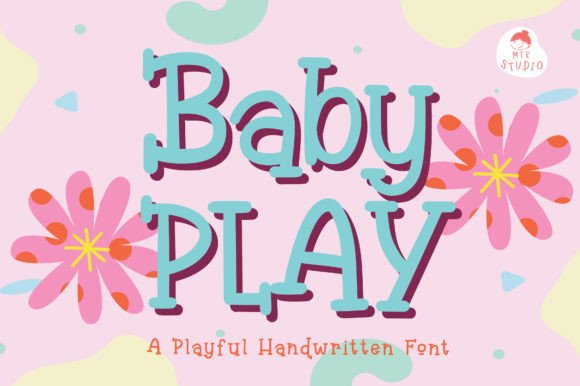
There’s a certain warmth that comes with something handmade. Think of a child’s first scribbled note, a baker’s chalkboard menu, or the name on a cozy neighborhood shop. It’s a feeling of authenticity, care, and personal connection. In a world saturated with sterile, perfect digital interfaces, that human touch is more valuable than ever for designers and business owners. This is precisely the space where a typeface like the Baby Play Font shines. It’s a sweet and friendly handwritten font that captures that organic, welcoming vibe. Its natural and unique style makes it incredibly fitting to a large pool of designs, offering a versatile tool for anyone looking to inject personality and approachability into their work. The only limit is your imagination.
More Than Just Cute Letters: Understanding the Font's Personality
At first glance, you might categorize Baby Play as a simple script font or a display font for children's projects. While it certainly excels there, its potential runs much deeper. The key is in its execution. The letterforms have a gentle, rounded quality with slight variations that mimic the natural pressure and flow of a real pen or marker. This avoids the overly mechanical look of many digital fonts. It feels crafted, not generated. This characteristic makes it a powerful creative font for projects that need to convey trust, friendliness, and a down-to-earth attitude. It’s a premium font in the sense that it offers a level of detail and charm that generic free fonts often lack, providing a solid foundation for a professional brand identity.
When considering its place in modern typography, Baby Play occupies a niche that balances whimsy with legibility. It’s not a wild, untamed script that sacrifices reading for style. Instead, it maintains clear letter separation, which is crucial for real-world applications. This makes it a practical handwritten font for both short headlines and slightly longer body text in the right context, such as a menu or a quote graphic. Understanding this balance is the first step in harnessing its power effectively for your specific project goals.
Where This Typeface Truly Comes Alive: Practical Applications
The true test of any design asset is its versatility. How can a single typeface serve different industries and creative visions? Baby Play’s friendly demeanor allows it to adapt seamlessly across a surprising range of uses, making it a valuable addition to any designer's toolkit.
For branding and logo design, it’s a natural fit for businesses that want to appear welcoming and personal. Imagine it on the logo for a children’s boutique, a family-run bakery, a local florist, a yoga studio, or a freelance photographer specializing in candid moments. It sets an immediate tone of approachability. In packaging design, it can make a product feel artisanal and special. Think of labels for homemade jams, craft candles, natural skincare products, or specialty coffee blends. The font tells a story of care and quality before the customer even tries the product.
In the digital realm, its applications are just as compelling. For social media graphics, it cuts through the noise of generic content. Use it for Instagram story quotes, Facebook post headers, Pinterest pin titles, or TikTok overlays to create a consistent and recognizable visual style. On websites and blogs, it can be used strategically for headings, pull quotes, or call-to-action buttons to add a personal touch to an otherwise standard layout. It’s particularly effective for bloggers, coaches, and creative entrepreneurs whose personal brand is central to their business. For digital products like e-books, worksheets, or online course materials, it can make the content feel more engaging and less intimidating than a standard serif or sans serif font.
Don’t overlook print and physical materials. Invitations for baby showers, weddings, or birthday parties gain a heartfelt touch. Posters for local events, farmers' markets, or community workshops feel more inclusive and friendly. It can even be used on merchandise like tote bags, mugs, and t-shirts for brands that sell personality as much as product.
Strategic Pairings and Professional Polish
Using a standout font like Baby Play effectively often involves pairing it with another typeface. A font pairing creates hierarchy and ensures readability across different types of content. The goal is contrast. Since Baby Play is a handwritten font with a lot of character, it pairs beautifully with clean, simple typefaces.
For a balanced and professional look, consider combining it with a classic sans serif font. Fonts like Open Sans, Lato, or Montserrat provide a neutral, highly readable counterpart for longer paragraphs or detailed information. This allows Baby Play to shine in headlines and accents without overwhelming the viewer. Alternatively, pairing it with a simple, sturdy serif font like Merriweather or Lora can create a more traditional yet approachable feel, suitable for editorial layouts or blog designs that aim for a blend of classic and contemporary.
Always test your pairings in context. Create a mock-up of your intended use—a social media post, a website header, a product label—and see how the fonts interact at different sizes. Pay close attention to readability. While Baby Play is clear for its style, it’s not designed for 8-point legal disclaimers. Use it where its personality can be appreciated: in larger sizes for headlines, subheads, and short, impactful statements. Let your secondary font handle the heavy lifting of body text.
Before finalizing any project, especially for commercial use, take a moment to review the font's licensing. Most premium fonts like Baby Play come with clear commercial licenses, but it’s always responsible practice to confirm you have the right permissions for your specific use, whether it’s for a client project, merchandise for sale, or a digital product. This due diligence protects you and respects the work of the type designer.
In the end, choosing a typeface is about communication. Baby Play Font communicates warmth, creativity, and a human touch. It’s a tool for telling visual stories that resonate on a personal level. Whether you’re building a brand from scratch, refreshing your social media presence, or crafting a special invitation, it offers a way to connect with your audience that feels genuine and memorable. Its strength lies not in being the loudest voice in the room, but in being the most welcoming one.