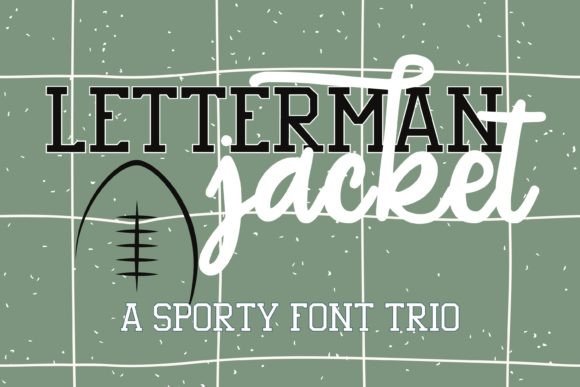
Letterman Jacket Font: Bold Handwritten Style for Energetic Designs
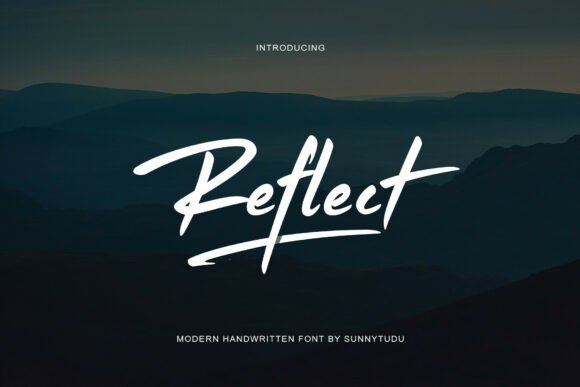
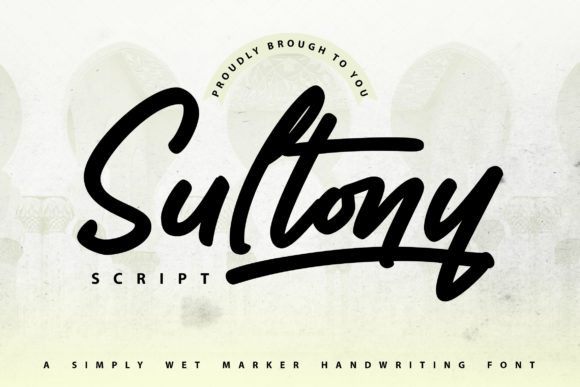
There’s a certain energy that comes with a bold, handwritten typeface—the kind that feels like it was scrawled with purpose and personality. If your design needs that kind of vitality, the Letterman Jacket font delivers it in spades. This isn’t just another script or casual font; it’s a dynamic, modern handwritten typeface built for projects that demand attention. With its bold strokes and fluid, confident lines, it captures movement and excitement, making it ideal for logos, headlines, and branding that needs to feel alive.
Why This Font Feels So Energetic
What sets Letterman Jacket apart from other handwritten fonts is its balance of boldness and flow. Many script fonts can feel either too delicate or too messy, but this one strikes a middle ground—it’s assertive without being aggressive, and personal without sacrificing legibility. The thick strokes give it a strong presence, while the slight irregularities in the letterforms keep it feeling organic and human. It’s the kind of font that looks like it was made by someone with a steady hand and a lot of confidence.
This makes it incredibly versatile for projects that need to communicate energy, creativity, or authenticity. Think about a fitness brand that wants to convey power and movement, or a music festival poster that needs to feel vibrant and alive. Letterman Jacket fits naturally into those contexts because its visual language already speaks to dynamism.
Where You Can Use It: Real-World Applications
One of the strengths of this font is how well it adapts to different design scenarios. Here are some practical ways you might put it to work:
- Logo Design: A bold handwritten font can make a logo feel approachable yet distinctive. For a coffee shop, boutique, or creative studio, Letterman Jacket can help establish a brand identity that feels personal and energetic.
- Packaging: On product labels or boxes, this font can add a handcrafted touch that stands out on shelves. It works especially well for artisanal goods, snacks, or beverages where a personal feel matters.
- Social Media Graphics: Instagram quotes, Facebook event banners, or YouTube thumbnails often benefit from fonts that grab attention quickly. The boldness of Letterman Jacket ensures text remains readable even at smaller sizes on mobile screens.
- Websites and Blogs: Use it for headlines or call-to-action sections where you want to inject personality without overwhelming the layout. Pair it with a clean sans-serif for body text to maintain readability.
- Print Materials: Posters, flyers, and invitations for events like concerts, workshops, or launches can leverage this font to convey excitement and urgency.
- Merchandise: T-shirts, hats, or tote bags with witty phrases or brand slogans often look best with handwritten-style fonts that feel casual and cool.
- Editorial Design: In magazines or newsletters, it can be used for pull quotes or section headers to break up monotony and add visual interest.
- Digital Products: If you’re selling ebooks, courses, or templates, using a font like this for cover titles or key graphics can make your products feel more polished and cohesive.
Pairing Fonts for Balance and Readability
While Letterman Jacket is striking on its own, it rarely works well as the sole font in a design. Handwritten fonts are best used as accents—they bring personality, but they can become tiring to read in long paragraphs. The key is to pair it with a more neutral typeface that handles the bulk of the text.
For example, if you’re designing a website, you might use Letterman Jacket for the main headline and a simple sans-serif like Open Sans or Lato for the body copy. This creates a visual hierarchy that guides the reader’s eye without sacrificing clarity. Similarly, in packaging design, you could use it for the product name and a clean serif for the description or ingredients list.
Always test your pairings in context. A font that looks great on your screen might not translate well to print, or it might lose its impact at smaller sizes. Print out a sample or view it on different devices to make sure the combination works where it matters.
Making Your Brand Memorable
Typography is one of the most powerful tools in building brand recognition. The fonts you choose become part of your visual identity—they’re seen on your website, your business cards, your social media, and your products. Using a distinctive font like Letterman Jacket consistently across these touchpoints can help your brand feel more cohesive and memorable.
Think about brands that use handwritten or script fonts effectively. They often feel more human and relatable. For a small business or a personal brand, this can be a huge advantage. It helps bridge the gap between you and your audience, making your communication feel less corporate and more conversational.
However, consistency is key. If you use Letterman Jacket for your logo, consider using it for other key elements like your website headers or social media graphics. This doesn’t mean using it everywhere—overuse can dilute its impact—but weaving it into your design system where it makes sense.
Practical Tips for Using Bold Handwritten Fonts
Before you dive in, here are a few things to keep in mind to get the most out of this font:
- Consider the context. A font that works for a rock band’s poster might not suit a law firm’s website. Make sure the personality of the font aligns with the message and audience of your project.
- Pay attention to spacing. Handwritten fonts often need adjustment to letter-spacing or line-height to look their best. Don’t rely on default settings—experiment until the text feels balanced.
- Check for readability. At very small sizes, some handwritten fonts can become hard to read. Test your designs at the sizes they’ll actually be viewed at, whether on a phone screen or a printed brochure.
- Look at the included styles. Many premium fonts come with multiple weights or alternate characters. Letterman Jacket might include variations that give you more flexibility—explore them before starting your design.
- Understand the license. If you’re using the font for commercial projects, make sure you have the right license. Most font licenses cover a certain number of users or projects, so review the terms to avoid issues down the line.
Final Thoughts on Choosing the Right Typeface
Choosing a font isn’t just about what looks trendy—it’s about finding a tool that serves your project’s goals. If your design needs energy, personality, and a touch of handmade charm, Letterman Jacket is worth considering. It’s the kind of font that can elevate a simple design into something that feels intentional and alive.
But remember, no font works in isolation. The best designs use typography thoughtfully, pairing different typefaces to create contrast and hierarchy. Take the time to experiment, test your choices in real-world scenarios, and always keep your audience in mind. After all, great design isn’t just about looking good—it’s about communicating effectively and making a lasting impression.