Little Farmhouse Font: A Delicate Touch for Authentic Design
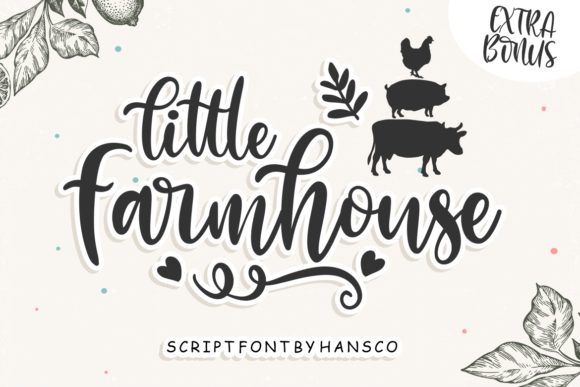
Sometimes, a design needs more than just clean lines and perfect geometry. It needs warmth. It needs personality. It needs to feel like it was crafted by a human hand, not just generated by software. This is the precise charm that the Little Farmhouse Font brings to the table. It’s a sweet, delicate handwritten typeface that feels dainty and joyful, instantly infusing projects with a romantic, personalized touch. For anyone crafting wedding invitations, heartfelt cards, or branding that requires a gentle, approachable voice, this font offers a beautiful solution that feels both authentic and polished.
The Visual Character: Why This Handwritten Font Works
At its core, Little Farmhouse is a script font that masters the balance between casual elegance and legible design. Unlike overly complex calligraphy that can sometimes be difficult to read at smaller sizes, this typeface maintains a soft, flowing consistency. The letterforms connect with a natural rhythm, mimicking the slight imperfections of actual handwriting without sacrificing readability. This visual personality makes it an ideal display font for headlines, logos, and short bursts of text where emotion and tone are just as important as the words themselves. It’s a premium font choice for designers who want to convey intimacy and care.
Practical Applications: From Branding to Packaging
The versatility of a well-designed creative font like this one is what makes it a valuable asset in a designer's toolkit. Its aesthetic fits seamlessly into a variety of real-world projects, bridging the gap between digital and print mediums. Because it feels handcrafted, it is particularly effective for projects that aim to build a personal connection with the audience.
Consider how this typeface can elevate different areas of visual communication:
- Logo Design and Brand Identity: For businesses in the lifestyle, beauty, wedding, or artisanal food sectors, a handwritten font can be the cornerstone of a brand identity. It suggests that the product is made with love and attention to detail. Using Little Farmhouse for a logo or wordmark can instantly soften a brand's voice, making it feel more relatable and human.
- Packaging Design: On product labels, whether for homemade candles, boutique clothing, or gourmet snacks, this font adds a layer of authenticity. It works exceptionally well when paired with a clean sans serif font for the ingredient lists or descriptions, allowing the main product name to stand out with flair.
- Invitations and Stationery: This is the font’s native environment. For wedding invitations, bridal showers, or baby announcements, the dainty loops and swashes create an atmosphere of celebration. It transforms a simple card into a keepsake.
- Marketing Assets and Social Media: In the fast-paced world of social media, grabbing attention is key. Using Little Farmhouse for quotes, promotional headers, or Instagram stories can stop the scroll. It adds a distinct personality to social media graphics, helping to maintain visual consistency across a feed.
Enhancing Your Design Strategy with Typography
Choosing the right font is a strategic decision that impacts how your message is received. A modern typography approach often involves mixing styles to create contrast and hierarchy. Little Farmhouse serves as an excellent "accent" typeface. While it might not be the best choice for long paragraphs of body text due to its decorative nature, it shines when used for callouts, pull quotes, or section headers.
When integrating this font into your workflow, keep these practical tips in mind:
- Test Your Font Pairings: The most striking designs usually contrast a decorative font with a neutral one. Try pairing the flowing script of Little Farmhouse with a sturdy serif font for a classic look, or a geometric sans serif font for a more contemporary feel. The contrast ensures that the handwritten elements pop without overwhelming the viewer.
- Prioritize Readability: Even with a beautiful font, legibility is paramount. Ensure there is enough contrast between the text and the background. Because this is a delicate font, it generally looks best in darker colors on light backgrounds, or white text over high-contrast imagery. Avoid placing it over busy, detailed photographs where the thin strokes might get lost.
- Explore the Glyphs: One of the standout features of this typeface is that it is PUA encoded. This is a technical detail with massive creative benefits. It means you can access all of the special glyphs, swashes, and alternate characters with ease, even in standard design software like Canva or basic text editors. These extra flourishes allow you to customize the look of the text, adding a tail to a capital letter or a flourish to the end of a word for a truly unique result.
Commercial Use and Professional Presentation
For entrepreneurs and small business owners, the practicalities of licensing matter. It is essential to ensure that any commercial font you use is properly licensed for your specific project, whether it’s for a digital product, a printed poster, or merchandise like T-shirts and mugs. Little Farmhouse is designed to be a design asset that supports professional work.
Using a high-quality font elevates the perceived value of your own products. When a customer sees thoughtful typography on a menu, a website header, or a thank-you card, it signals professionalism. It tells them that you care about the details. This is particularly true in editorial design and web design, where the typeface sets the mood for the entire user experience.
Ultimately, the goal of any design element is to support the story you are telling. Little Farmhouse isn't just a collection of letters; it is a tool for visual storytelling. Whether you are a blogger looking to add warmth to your headers, a crafter designing a new line of goods, or a marketer building a campaign that needs a personal touch, this font offers a reliable and beautiful way to communicate. It brings a touch of the countryside simplicity and handmade joy to the digital page, making your work feel less like a transaction and more like a conversation.