Otsudaki Font: A Handmade Touch for Authentic Branding
There’s a certain magic that happens when a design feels human. In a world saturated with clean, geometric vectors and perfectly uniform sans-serifs, a font that carries the subtle imperfections of a hand-penned letter can stop someone mid-scroll. It’s the difference between a corporate memo and a handwritten thank-you note. That’s the immediate appeal of the Otsudaki Font. It isn’t just a typeface; it’s a piece of personality. With its signature-style flow and a baseline that seems to dance across the page, this font brings a level of warmth and authenticity that rigid digital fonts often lack. Whether you are launching a boutique candle line or designing a wedding invitation suite, the visual weight of a script font like this does more than just display words—it tells a story before the reader even processes the sentence.
Understanding the Visual Character
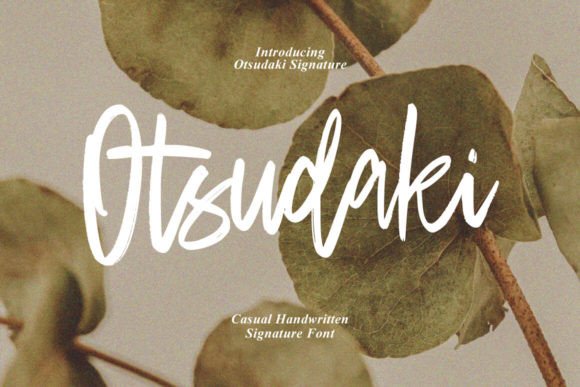
Typography is about voice. If a sans-serif font speaks in a clear, authoritative tone, Otsudaki speaks in a conversational whisper. It is categorized as a premium font with a distinct handwritten aesthetic. What sets it apart from other script fonts is the "dancing baseline." Unlike traditional typesetting where every letter sits on a strict horizontal line, Otsudaki features letters that rise and fall slightly. This creates a sense of movement and rhythm, mimicking the natural flow of a signature.
This stylistic choice is crucial for specific design goals. If you are working on a project that requires a "lived-in" or "artisan" feel, this font does the heavy lifting. The decorative characters add a layer of flourish that feels organic rather than forced. It doesn't look like a computer trying to mimic handwriting; it looks like actual calligraphy that has been digitized for modern use. For designers, this means you can inject emotion into your layouts instantly. It’s the visual equivalent of adding a smile to a conversation—disarming, inviting, and memorable.
Practical Applications for Modern Creators
The versatility of a creative font like Otsudaki lies in how it adapts to different mediums. It is rarely the right choice for body text in an encyclopedia, but it is an exceptional choice for headlines, accents, and branding elements where personality is paramount.
Branding and Logo Design
For small business owners and entrepreneurs, your logo is your handshake. Otsudaki is particularly effective for brands in the lifestyle, beauty, food, or fashion sectors. Imagine a bakery logo where the shop name flows with the soft curves of this typeface, or a personal branding package for a photographer. Because it mimics a signature, it implies a personal guarantee of quality. It tells your customer, "There is a real person behind this brand who cares about the details." When used as a primary logo element, it pairs beautifully with a clean sans-serif for the tagline, creating a balanced visual hierarchy that anchors the brand identity.
Invitations and Event Stationery
This is perhaps the most natural home for a handwritten font. Wedding invitations, baby shower cards, and boutique event flyers rely heavily on typography to set the mood. The dancing baseline of Otsudaki brings a celebratory energy to the text. It suggests that the event will be fun, relaxed, and full of joy. When setting up an invitation, using this font for the names of the hosts or the event title draws the eye immediately, creating a focal point that feels elegant yet approachable.
Packaging and Merchandise
Product packaging is about shelf impact. In a crowded market, a handwritten script can signal "small batch" or "handmade" quality, even if the product is mass-produced. Think about coffee bags, soap labels, or apparel tags. Using Otsudaki on a hang-tag for a sweater or the label of a jam jar adds a tactile quality to the visual design. It suggests that care was taken in the creation of the product. Furthermore, for merchandise like tote bags or mugs, a bold, flowing script serves as a strong graphic element that stands on its own without needing complex illustrations.
Digital Presence: Social Media and Web Design
In the digital realm, attention spans are short. Headers on websites and text overlays on social media graphics need to grab attention instantly. Otsudaki works exceptionally well for Instagram quotes, Pinterest pins, and YouTube thumbnails. It breaks the monotony of standard web fonts and adds a layer of "thumb-stopping" intrigue. On a website, it should be used sparingly—perhaps for the main "H1" headline on a homepage or section titles—to maintain that high-end, editorial feel without sacrificing the readability of the actual content paragraphs.
Enhancing Brand Recognition and Engagement
Why does a font choice matter so much to marketing? It comes down to psychology and consistency. When you use a distinct display font like Otsudaki consistently across your touchpoints—from your email newsletter headers to your physical business cards—you build a visual language that your audience learns to recognize.
This consistency builds trust. If a customer sees the same high-quality, artistic typography on your Instagram feed as they do on your product packaging, it reinforces the professionalism of your operation. It signals that you are established and thoughtful. Furthermore, a font with high visual appeal encourages engagement. People are more likely to save a social media post that is aesthetically pleasing or read a blog post that looks inviting. The "beauty" of the font isn't just vanity; it is a functional tool for holding attention and communicating value.
Strategic Advice for Implementation
While Otsudaki is a powerful tool, like any premium font, it requires a strategic approach to be effective. You wouldn't use a hammer to turn a screw, and you shouldn't use a script font for every text element on your site.
Font Pairing is Essential: A handwritten font needs a partner. Because Otsudaki has a lot of movement and decorative flair, it needs to be grounded by something stable and legible. Pair it with a classic serif font for a sophisticated, editorial look (think high-end magazine layouts). Alternatively, pair it with a geometric sans-serif for a modern, clean contrast that lets the script headline pop. Never pair it with another script or a highly decorative font; the result will be chaotic and unreadable.
Prioritize Readability: The dancing baseline is beautiful, but it can make reading difficult if the font size is too small. Use Otsudaki for large display text, headlines, and short call-outs. Avoid using it for long sentences or, heaven forbid, body copy. If a user has to squint to decipher your message, the design has failed, no matter how pretty the letters are.
Context Matters: Consider your audience. If you are designing for a law firm or a medical practice, a dancing signature font might undermine the seriousness of the content. However, for a yoga studio, a wedding planner, a fashion blogger, or a coffee shop, it is the perfect fit. Ensure the personality of the font matches the personality of the brand.
Licensing and Formats: Finally, always ensure you are using a legitimate version of the font with the correct commercial license. A high-quality premium font usually comes with various styles (bold, italic, or alternative characters) that allow for more customization. Review the included glyphs—sometimes the alternate "swashes" or tails on letters can turn a standard word into a piece of art, provided you use them intentionally.
Ultimately, typography is the clothing that your words wear. Otsudaki Font offers a wardrobe that is stylish, expressive, and unmistakably human. By integrating it thoughtfully into your design assets, you can elevate a standard layout into something that feels personal, premium, and designed to connect.