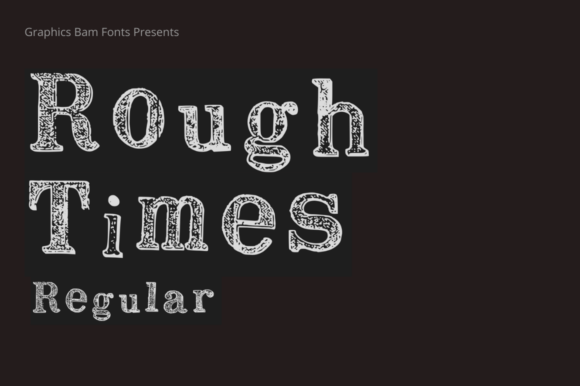
Rough Times Regular Font: A Textured Typeface for Authentic Brands
There’s a certain kind of magic in a design that feels like it has a story to tell—something raw, honest, and a little imperfect. In a world saturated with sleek, digital perfection, a touch of texture can cut through the noise and connect on a human level. That’s the space where Rough Times Regular Font lives. It’s not just a collection of letters; it’s a design tool built for projects that need to feel grounded, authentic, and full of character. If you’re working on something that aims to break the mold, this textured display font might be the missing piece you’ve been searching for.
Capturing a Raw, Handcrafted Vibe
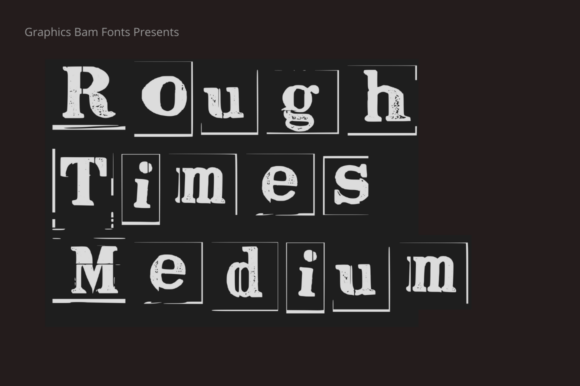
What immediately sets Rough Times Regular apart is its visual personality. Imagine the look of a well-worn, vintage print—perhaps from an old letterpress or a slightly distressed screen print. The edges of the letters aren’t razor-sharp; they carry subtle imperfections, a textured grain that suggests age, craftsmanship, and a hands-on origin. This isn’t a font that whispers; it speaks with a confident, slightly weathered voice. It’s a premium font that prioritizes feel over sterile precision, making it a powerful choice for anyone looking to inject warmth and authenticity into their work.
This kind of display font excels at grabbing attention for headlines, logos, and any piece of text where you want the typography itself to be a focal point. While it’s not a serif font or a sans serif font in the traditional sense, its bold, textured presence makes it a fantastic complement to cleaner typefaces. Think of it as the star of the show, with a simpler script font or handwritten font playing a supporting role in subheadings or body copy. This dynamic creates immediate visual interest and hierarchy in your layouts.
From Brand Identity to Product Packaging
For branding and logo design, Rough Times Regular offers a distinct advantage. A logo set in this typeface instantly communicates a brand that values substance, history, or a artisanal quality. Picture it for a craft brewery, a specialty coffee roaster, a independent record label, or a boutique outdoor apparel company. The texture tells a story of care and process, helping to build a brand identity that feels genuine and memorable. It helps improve brand recognition because the typography itself is so distinctive.
When it comes to packaging design, this font is a natural fit. It can make a product stand out on a crowded shelf by conveying a sense of quality and uniqueness. Imagine it on a bottle of small-batch hot sauce, a bag of artisanal granola, or the label of a handmade candle. The textured letterforms add a tactile quality to the visual design, suggesting that what’s inside is made with intention. This directly contributes to a professional presentation that can justify a premium price point and connect with discerning customers.
Elevating Digital and Print Projects
The applications extend far beyond physical products. For social media graphics, where you have a split second to stop a scroll, Rough Times Regular is incredibly effective. Use it for bold statements on Instagram carousels, impactful quotes, or promotional announcements. Its textured look stands out against the endless stream of clean, digital fonts, potentially boosting audience engagement. It also works beautifully in web design for hero sections, headers, or call-to-action buttons where you want to make a strong impression.
In editorial design—think magazine covers, blog post headers, or book chapter titles—this typeface adds a layer of sophistication and intrigue. It sets a mood and draws the reader into the content. For print materials like posters, flyers, or event invitations, its vintage character is perfect for creating a sense of occasion or nostalgia. Even for digital products like e-books or online course graphics, using a unique creative font like this can enhance the perceived value and make the material more enjoyable to consume.
Practical Tips for Using This Textured Typeface
Integrating a powerful display font like Rough Times Regular into your workflow requires a bit of strategy to ensure visual consistency and readability. Here’s some practical advice for getting the most out of this design asset.
- Master Your Font Pairing: The key is balance. Because Rough Times is so textured and bold, pair it with a clean, neutral font for body text. A simple sans serif font or a classic serif font will provide excellent contrast and ensure your paragraphs are easy to read. Let Rough Times handle the headlines and let the pairing font handle the details.
- Consider the Context: Always think about your project’s goals and medium. Is it for a large-scale poster where the texture will be highly visible, or for a website header viewed on a small phone screen? Test it at the intended size to ensure the texture enhances rather than hinders readability. Sometimes, a slightly bolder weight or increased letter-spacing can help.
- Explore the Included Styles: Check what comes with the font package. A quality typeface like this might include multiple weights, italics, or alternate characters. These variations give you more flexibility to fine-tune your typography and maintain a cohesive look across different parts of your project.
- Review the License: Before using any commercial font, especially for a client project or a product you plan to sell, always review the licensing terms. Ensure the license covers your specific use case, whether it’s for a logo, merchandise, or a digital product. This is a crucial step for any marketing professional or creative entrepreneur.
Ultimately, choosing a font like Rough Times Regular is about making a deliberate choice to stand out. It’s for the designer who wants to avoid clichés, the small business owner who wants their product to feel special, and the content creator who wants their message to have more impact. It’s a tool that doesn’t just display words—it helps tell a richer, more textured story. In the right hands, it can transform a good design into one that truly resonates.