Toddler Retro Font: A Playful Typeface for Joyful Brands
There’s a particular kind of magic in a font that can instantly evoke a smile. It doesn’t shout; it whispers of sunny afternoons, birthday cake, and the unfiltered joy of childhood. For designers and creators tasked with communicating warmth, nostalgia, and approachability, finding a typeface that carries this feeling without sacrificing clarity or professionalism is a genuine win. Enter a specific style of display typography that marries the bold, friendly shapes of mid-century children’s book illustrations with a clean, contemporary sensibility. This is where a font like Toddler Retro finds its sweet spot, offering a voice that is both assertive and endearingly cute.
More Than Just Cute: The Strategic Appeal of This Typeface
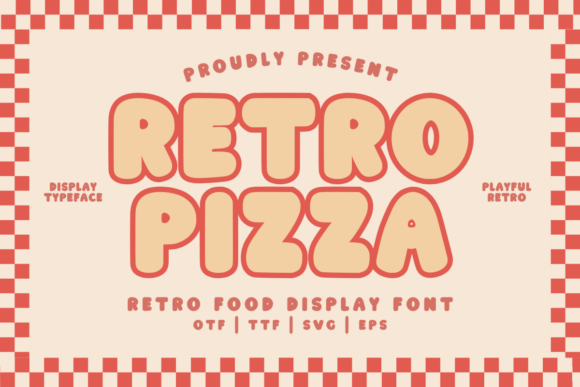
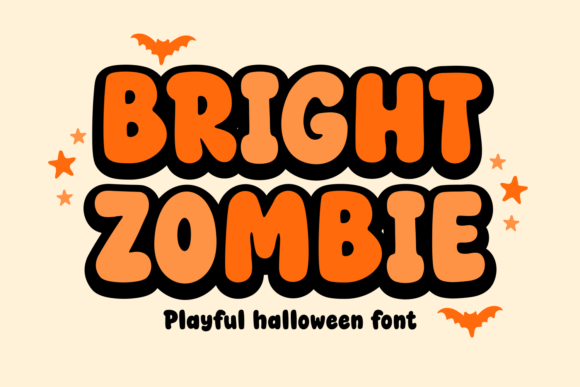
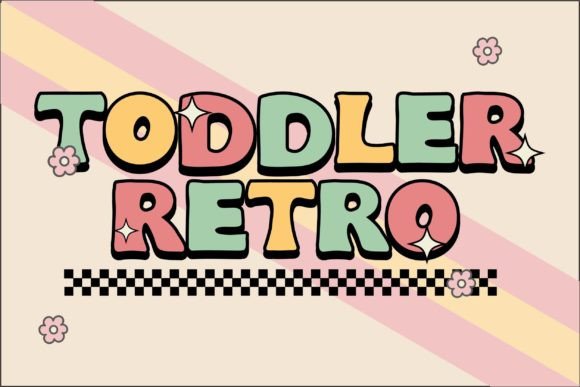
At first glance, its personality is unmistakable. The letterforms are rounded and soft, with a subtle vintage flair that avoids feeling dated. Think of the confident, slightly chunky lettering on a 1960s toy box or a retro candy wrapper—full of character but designed to be read. This isn't a delicate script or a whimsical handwritten font; it’s a display font with presence. Its strength lies in its ability to be the star of a headline or a logo, immediately setting a tone of playful confidence. For a brand identity, this translates to instant recognizability and an emotional connection that feels authentic and joyful.
Practical application is where its value truly shines. Consider its role in logo design for a children’s boutique, a family-friendly café, or a creative workshop. The font does the heavy lifting of establishing the brand’s core vibe—approachable, creative, and full of life. It’s equally effective in packaging design, where standing out on a crowded shelf is paramount. A product name set in this typeface can convey fun and quality simultaneously, appealing directly to parents and gift-givers looking for something special. On social media graphics, it cuts through the noise, making announcements for sales, new arrivals, or event invitations impossible to scroll past. Its high-impact nature ensures your message isn’t just seen, but felt.
From Digital Screens to Printed Keepsakes
The versatility of a well-crafted premium font like this extends far beyond a single use case. In the realm of web design, it can be used for hero section headlines, button text, or section titles on sites for nurseries, toy stores, or event planners. Paired with a clean sans serif font for body copy, it creates a visual hierarchy that is both engaging and easy to navigate. For editorial design, such as a magazine feature on family travel or a cookbook with a nostalgic theme, it can bring a burst of energy to chapter headings and pull quotes.
The physical world is where its charm becomes tactile. Print materials like party invitations, thank-you cards, and posters are natural habitats. Imagine a birthday invitation where the child’s name pops in this typeface—it immediately sets a celebratory mood. For merchandise, from t-shirts and tote bags to stickers and notebooks, it offers a design that feels custom and curated. Small business owners creating marketing assets will find it invaluable for crafting cohesive campaigns across email headers, flyers, and digital ads that maintain a consistent and recognizable visual language. Even digital products like printable planners, educational worksheets, or social media templates gain a professional and thematic polish when this font is incorporated thoughtfully.
Pairing and Practicality: Making It Work in Your Projects
Choosing a font is only half the battle; using it effectively is what elevates a design. The key to leveraging a strong display typeface is balance. Its bold personality can overwhelm if used for long paragraphs. The smart approach is to use it strategically for high-impact elements—titles, logos, key phrases—and pair it with a more neutral companion. A simple serif font can add a touch of timeless elegance, while a geometric sans serif keeps the overall look modern and clean. Always test your font pairing in context; see how the combination feels in a mock-up of your intended project, whether it’s a website banner or a printed label.
Readability is non-negotiable. While its shapes are friendly, ensure sufficient contrast with the background, especially at smaller sizes. Review the full character set of the creative font you select. Does it include all the punctuation, numerals, and accented characters you need for your commercial font license? A complete character set prevents headaches later. Speaking of licensing, this is a critical step for any professional project. Always verify the license terms for the specific font you purchase. A reputable design asset will offer clear licensing options for desktop, web, and digital use, ensuring your beautiful designs are also legally sound.
Ultimately, the right typeface is a silent partner in your creative process. It works in the background, shaping perception and guiding the viewer’s experience. A font that embodies youth and joy, like the one we’ve discussed, is a powerful tool for anyone aiming to communicate with warmth and clarity. It reminds us that great design isn’t just about looking good—it’s about feeling right. By thoughtfully integrating it into your toolkit, you’re not just selecting letters; you’re choosing a tone of voice, an emotional resonance, and a visual shorthand for the delightful experiences your brand or project promises to deliver.